-
Submenu items

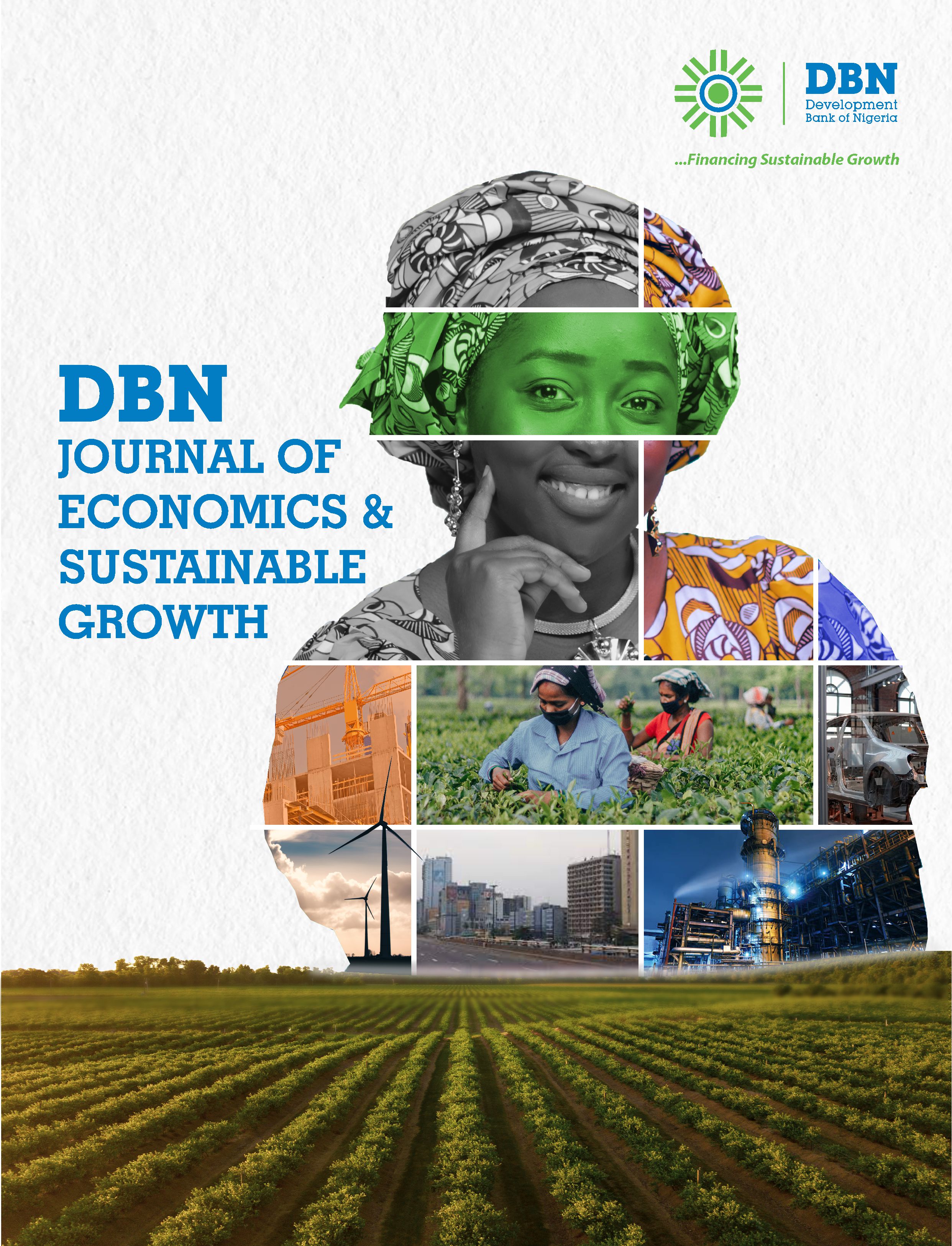
Publication Information
Published by: Admin
Published: 2 months ago
View: 394
Pages: 21
ISBN: 7
 Download PDF (EN)

Abstract
This paper estimates the causal effect of household electrification on female labour supply in rural Nigeria, exploiting exogenous variation in grid proximity as an instrumental variable for electricity access. Using a pooled cross-section from the Nigeria General Household Survey Panel (GHS-P) across four waves spanning 2010–2019, matched with community-level geospatial grid expansion data, we implement a two-stage least-squares (2SLS) strategy alongside a copula-based bivariate hurdle model to account for the joint determination of spousal labour supply and the mass of zero observations at the extensive margin. Our estimates indicate that gaining electricity access increases the probability of market employment among rural women by approximately 11.2 percentage points, raises annual weeks worked by 6.4 weeks, and expands weekly market hours by roughly 6 hours – effects that are robust to a battery of specification checks and placebo tests. Complementary analysis of time-use data reveals that electrification reduces total home production hours by approximately 13.5 hours per week, consistent with a time-reallocation mechanism driven by labour-saving appliances. Employment gains are concentrated in non-farm self-employment and service-sector activities, signalling a meaningful structural shift away from subsistence agriculture. Heterogeneity analysis demonstrates that effects are larger for more educated women and those residing closer to local markets, underscoring the complementarity between electricity access, human capital, and market integration. These findings have direct implications for Nigeria’s electrification agenda and gender-inclusive development policy.
Related Publications
VOLUME 8 ISSUE 2 2026
An Empirical Examination of the Impact of Economic Growth and Energy Poverty On Agricultural CO2 Emissions in Nigeria
 2 months ago
 1
shares
1
shares
VOLUME 8 ISSUE 2 2026
Does Military Spending Fuel Inflation in Developing Countries? Evidence from Nigeria
2 months ago
0
shares