-
Submenu items

Publication Information
Published by: Admin
Published: 3 years ago
View: 380
Pages: 27
ISBN:
 Download PDF (EN)

Abstract
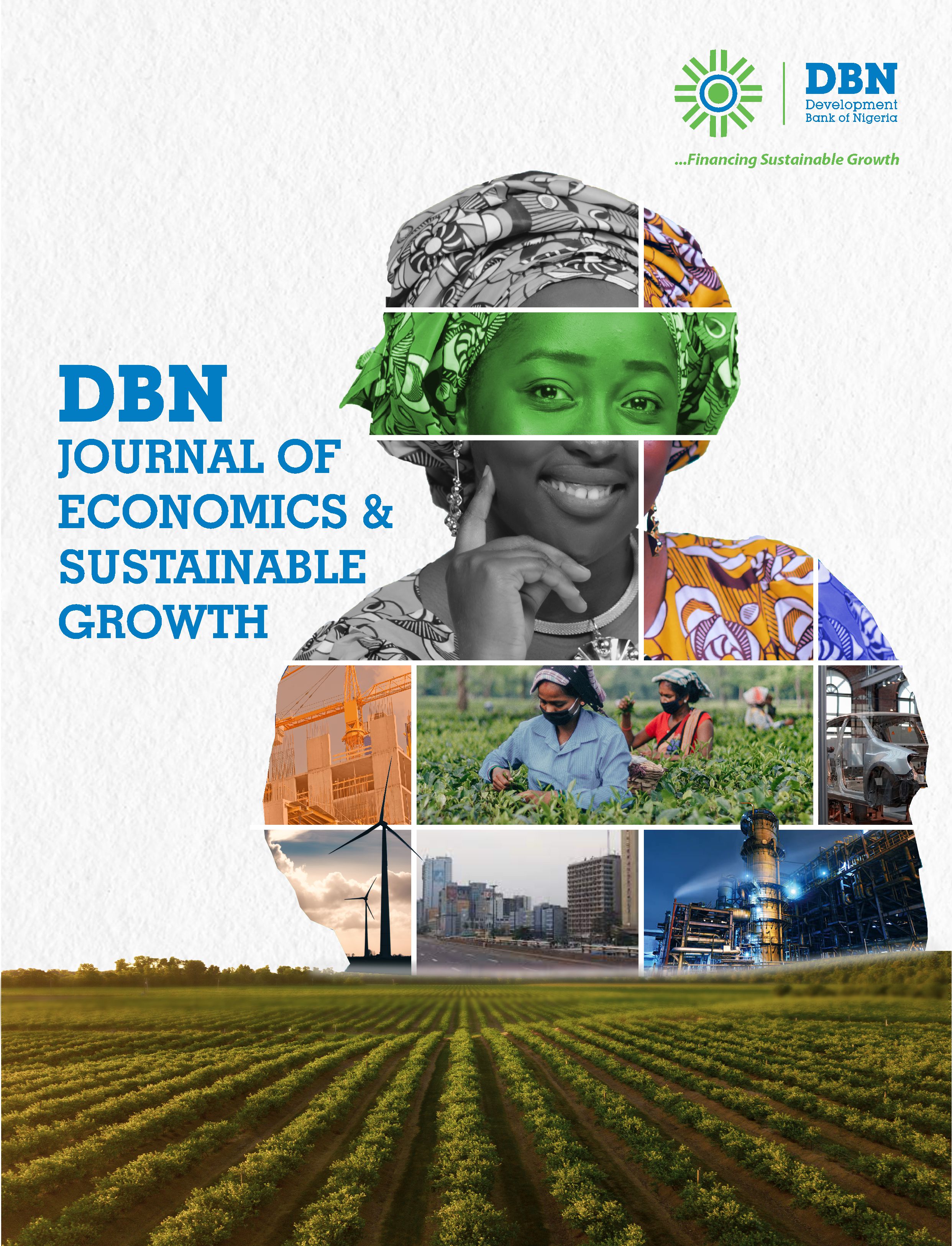
Financial inclusion is regarded as a fundamental element that makes economic growth inclusive as access to finance should enable economic agents to make long-term consumption and investment decisions, engage in productive activities, and effectively cope with sudden, unexpected short-term shocks. This research set out to investigate whether the financial inclusion goals set in 2012 by the National Financial Inclusion Strategy committee to reduce the levels of financial exclusion has been achieved. The findings reveal that, there have been sensible gains in increasing the levels of financial inclusion on a macro-perspective: more men and women are gaining access to financial services and products. However, a breakdown of the financial inclusion data on geo-political arrangements tells a different story. Financial inclusion in Nigeria is not even, with financial exclusion rates significantly higher in North East and North West Nigeria, where exclusion rates are above 60%. Southern geo-political regions have better financial exclusion rates, with financial exclusion rates below 35%, In general, women tend to have higher financial exclusion rates than men, rural population have a higher financial exclusion rate than urban areas. The National Financial Inclusion strategy committee is closer to achieving its 20% exclusion rate in the Southern geo-political zone than the Northern geo-political zones. To attain its 2020 targets on financial inclusion in Nigeria, the focus of inclusion should be increasing access to finance in the rural areas. The method to do this should be the use of branchless banking, improving digital finance infrastructure and designing financial services and products that are tailored to meet the needs of rural men and women, since more than 60% of the population of Nigerians live in rural areas
Related Publications
VOLUME 2 ISSUE 2 2019
Financial liberalization and Small and Medium Enterprise Performance in Nigeria
 3 years ago
 54
shares
54
shares
VOLUME 2 ISSUE 2 2019
Financial inclusion in a developing country: An assessment of the Nigerian journey
3 years ago
32
shares
VOLUME 2 ISSUE 2 2019
The Impact of Public Debt on Investment: Evidence from Nigeria
3 years ago
56
shares