-
Submenu items

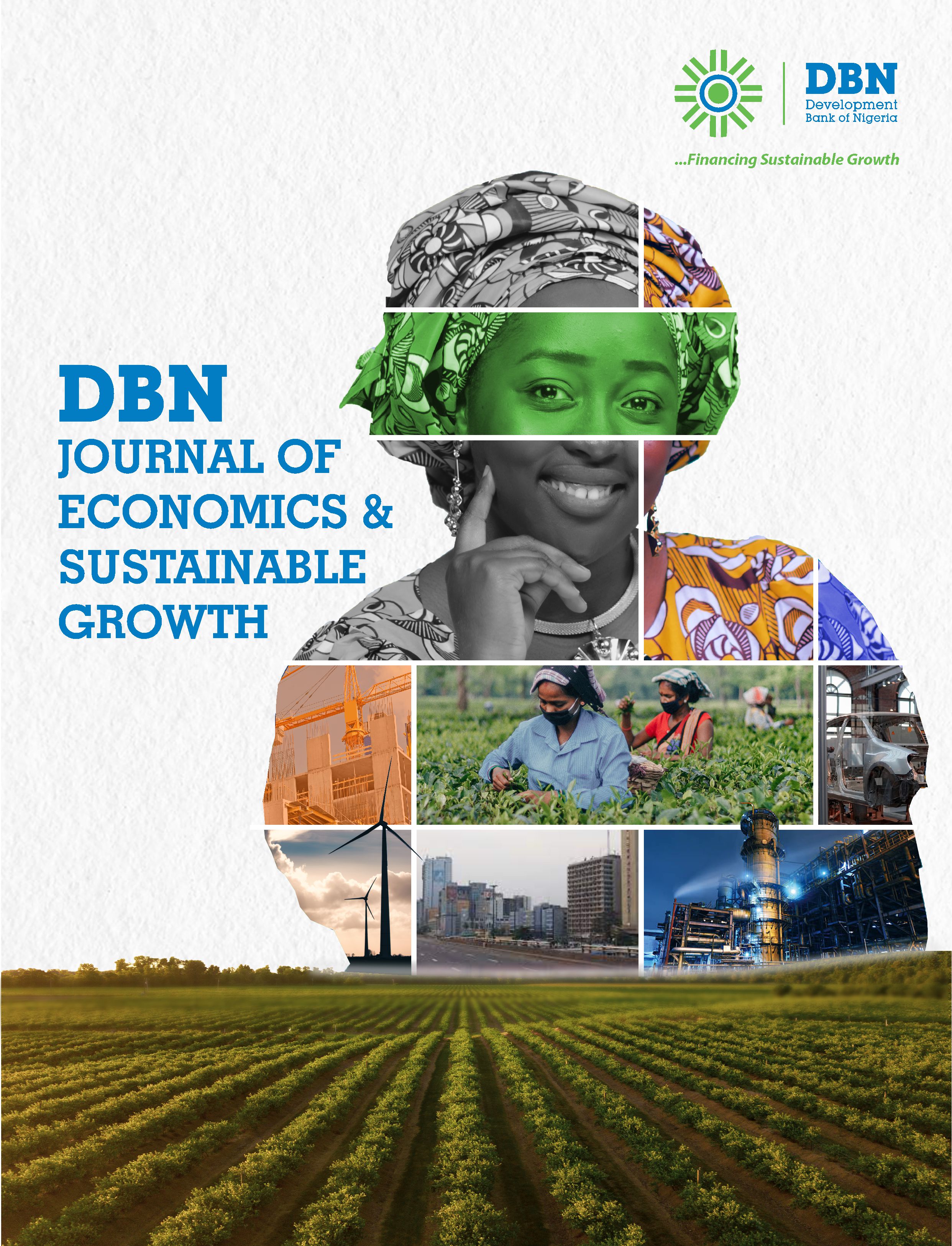
Publication Information
Published by: Admin
Published: 3 years ago
View: 482
Pages: 20
ISBN:
 Download PDF (EN)

Abstract
Nigeria is often susceptible to volatile terms of trade due to its dependence on primary commodities with unstable prices. This study, therefore, made its contribution to literature by empirically analysing terms of trade volatility in Nigeria. This study used quarterly time series data ranging from 1981Q1 to 2016Q4, obtained from the World Bank (2017) database. Asymmetries in terms of trade volatility were determined by applying the TGARCH (1, 1) model. The study revealed that terms of trade entail asymmetric effects, suggesting that bad times of adverse terms of trade shocks have a more pronounced effect than it does in good times. The empirical findings mainly imply, amongst other things, that to reduce terms of trade volatility, Nigeria needs to imbibe the political will to save through fiscal discipline and instituting a strong competent framework, to enable her to stabilize the economy in situations of adverse shocks. The government should also encourage indigenous producers by providing and investing in a conducive environment that will reduce the cost of production and enable businesses to thrive.
Related Publications
VOLUME 3 ISSUE 1 2020
The Nexus between Financial Development and Merchandise Exports. Fresh Evidence from SSA using Dynamic Simultaneous-Equation S Models
 3 years ago
 41
shares
41
shares
VOLUME 3 ISSUE 1 2020
The Influence of Government Expenditure on Economic Growth in Nigeria
3 years ago
39
shares
VOLUME 3 ISSUE 1 2020
Analysing terms of Trade Volatility for Nigeria: Do terms of Trade have Asymmetric effects in Nigeria
3 years ago
37
shares